Robotic Gastrointestinal Surgery
Robotic Gastrointestinal Surgery
Robotic Gastrointestinal Surgery is one of the most advanced forms of minimally invasive surgery, combining the expertise of a skilled surgeon with the precision of robotic technology. This modern approach allows complex gastrointestinal procedures to be performed with enhanced accuracy, flexibility, and control.
Dr. Banshidhar Soni specializes in robotic-assisted GI surgeries, offering patients cutting-edge treatment options for a wide range of digestive system disorders. By integrating advanced robotic systems into surgical practice, he ensures improved outcomes, minimal complications, and faster recovery for patients.
What is Robotic Surgery?
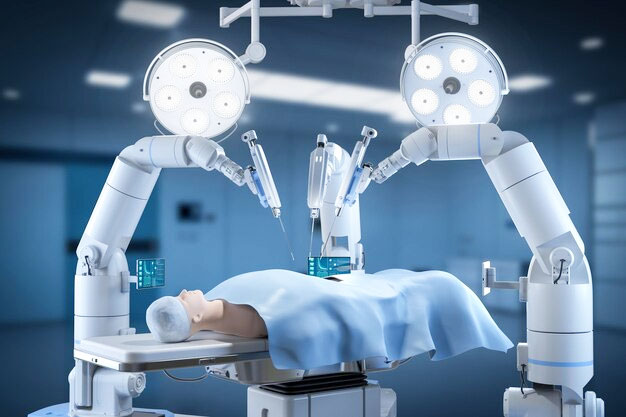
Robotic surgery is a technique where the surgeon uses a computer-controlled robotic system to perform surgical procedures. The surgeon operates from a console, controlling robotic arms equipped with tiny surgical instruments and a high-definition 3D camera.
The robotic system translates the surgeon’s hand movements into precise micro-movements, allowing for exceptional control even in complex and delicate procedures.
Key Features of Robotic Surgery
- 3D High-Definition Vision for better visualization
- Enhanced Precision with tremor-free movements
- Greater Flexibility compared to human hand movement
- Better Access to difficult-to-reach areas
- Improved Surgical Control in complex cases
Procedures Performed
Robotic technology is particularly beneficial in advanced and complex gastrointestinal surgeries, including:
- Robotic GI Cancer Surgery
- Colorectal Surgery
- Esophageal Surgery
- Pancreatic Surgery
- Liver Surgery
- Hiatal Hernia & Anti-Reflux Surgery
- Bariatric (Weight Loss) Surgery
These procedures require high precision, which robotic systems help achieve effectively.
Conditions Treated
Robotic gastrointestinal surgery is used to treat:
- Gastrointestinal cancers
- Complex abdominal tumors
- Hernias (complex and recurrent)
- Gastroesophageal reflux disease (GERD)
- Obesity (bariatric conditions)
- Pancreatic and liver disorders
- Colorectal diseases
Symptoms That May Require Robotic Surgery
You should consider consultation if you experience:
- Persistent abdominal pain
- Difficulty swallowing
- Chronic acid reflux
- Unexplained weight loss
- Blood in stool
- Recurrent digestive issues
- Diagnosed tumors or complex GI conditions
Robotic surgery is especially useful in cases where precision is critical.
Advantages of Robotic Surgery
Robotic surgery offers significant advantages over both open and conventional laparoscopic surgery:
1. Superior Precision
The robotic system allows highly accurate movements, reducing the risk of damage to surrounding tissues.
2. Minimally Invasive
Small incisions result in less trauma to the body.
3. Faster Recovery
Patients recover more quickly and return to normal life sooner.
4. Less Pain & Blood Loss
Reduced surgical trauma leads to minimal discomfort and bleeding.
5. Better Outcomes in Complex Cases
Ideal for cancer surgeries and deep anatomical areas.
6. Reduced Complications
Lower risk of infection and post-operative complications.
Pre-Surgical Evaluation
Before robotic surgery, a comprehensive assessment is conducted:
- Detailed medical history
- Physical examination
- Blood tests
- Imaging (CT scan, MRI)
- Endoscopy (if required)
- Pre-anesthesia evaluation
Patients are also guided about the procedure, risks, and expected outcomes.
Procedure Process
The robotic surgery process involves:
- Anesthesia – Performed under general anesthesia
- Small Incisions – Tiny cuts for inserting robotic instruments
- Robotic Console Control – Surgeon operates from a console
- High Precision Surgery – Robotic arms perform the procedure
- Closure – Small incisions are closed with minimal scarring
The entire procedure is carried out with enhanced visualization and control.
Post-Surgical Care & Recovery
Recovery after robotic surgery is generally smooth and quicker compared to traditional methods.
Post-operative care includes:
- Minimal pain management
- Early mobilization
- Gradual return to normal diet
- Short hospital stay
- Regular follow-up visits
Most patients can resume normal activities within a short period.
Who is a Suitable Candidate?
Robotic surgery is ideal for patients who:
- Require complex gastrointestinal procedures
- Are diagnosed with GI cancers
- Need precision-based surgery
- Prefer minimally invasive treatment options
However, the suitability depends on individual health conditions and is evaluated by the surgeon.
Why Choose Dr. Banshidhar Soni for Robotic Surgery?
- Specialized expertise in robotic GI procedures
- Experience in complex and advanced surgeries
- Patient-centric and ethical approach
- Use of cutting-edge technology
- Focus on safety, precision, and faster recovery