Pancreaticobiliary Procedures
Pancreaticobiliary Procedures
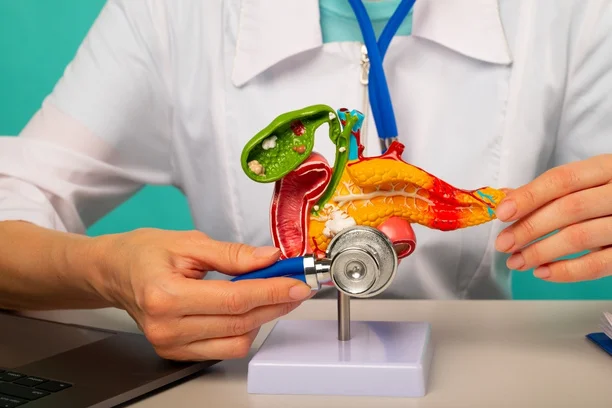
Pancreaticobiliary Procedures involve the diagnosis and treatment of diseases affecting the pancreas, gallbladder, and bile ducts, which are essential components of the digestive system. These organs play a crucial role in digestion, metabolism, and the regulation of enzymes and bile required for breaking down food.
Disorders related to the pancreas and biliary system can be complex and, if left untreated, may lead to serious complications. These conditions often require highly specialized surgical expertise and advanced treatment approaches.
Dr. Banshidhar Soni, an experienced Surgical Gastroenterologist, provides comprehensive care for pancreaticobiliary disorders using modern techniques, including minimally invasive (laparoscopic) and robotic-assisted surgeries, ensuring precise treatment and improved patient outcomes.
What are Pancreaticobiliary Disorders?
Pancreaticobiliary disorders refer to diseases affecting:
- Pancreas – Responsible for digestive enzymes and insulin production
- Gallbladder – Stores and releases bile
- Bile Ducts – Carry bile from liver to intestine
Any dysfunction in these organs can disrupt digestion and overall health.
Conditions Treated
Dr. Soni specializes in managing a wide range of pancreaticobiliary conditions, including:
Pancreatic Conditions
- Acute and chronic pancreatitis
- Pancreatic cysts
- Pancreatic tumors (benign & malignant)
- Pancreatic duct obstruction
Biliary Conditions
- Gallstones (cholelithiasis)
- Gallbladder inflammation (cholecystitis)
- Bile duct stones (choledocholithiasis)
- Biliary strictures (narrowing of bile ducts)
- Bile duct and gallbladder cancers
Symptoms That May Require Treatment
You should consult a specialist if you experience:
- Severe upper abdominal pain (especially after meals)
- Pain radiating to the back
- Jaundice (yellowing of skin and eyes)
- Nausea and vomiting
- Fever with chills
- Unexplained weight loss
- Loss of appetite
- Dark urine or pale stools
These symptoms may indicate underlying pancreatic or biliary disease.
Diagnostic Approach
Accurate diagnosis is essential for effective treatment. Dr. Soni follows a comprehensive evaluation process, including:
- Detailed clinical examination
- Blood tests (including liver and pancreatic function tests)
- Ultrasound abdomen
- CT scan / MRI
- MRCP (Magnetic Resonance Cholangiopancreatography)
- Endoscopic procedures (ERCP, if required)
These investigations help identify the exact cause and guide treatment planning.
Treatment Options
Treatment depends on the specific condition and its severity.
1. Medical Management
Some conditions, such as mild pancreatitis, can be managed with medications, dietary changes, and supportive care.
2. Endoscopic Procedures
Certain biliary conditions can be treated using non-surgical endoscopic techniques like ERCP to remove stones or relieve blockages.
3. Surgical Treatment
Advanced surgical procedures may be required in complex cases, including:
- Laparoscopic Cholecystectomy (Gallbladder Removal)
- Common Bile Duct Exploration
- Pancreatic Surgery (Whipple Procedure, Distal Pancreatectomy)
- Biliary Reconstruction Surgery
- Tumor Resection (Cancer Surgery)
Dr. Soni ensures that each procedure is carefully planned and executed with precision.
Minimally Invasive & Robotic Techniques
Modern pancreaticobiliary surgery increasingly uses minimally invasive approaches:
- Laparoscopic Surgery – Small incisions, faster recovery
- Robotic Surgery – Enhanced precision in complex procedures
These techniques reduce surgical trauma and improve patient comfort.
Advantages of Advanced Surgical Techniques
- Smaller incisions and minimal scarring
- Reduced postoperative pain
- Faster recovery and shorter hospital stay
- Lower risk of complications
- Improved surgical precision
Procedure Process
The surgical process generally involves:
- Pre-operative Evaluation – Detailed assessment and preparation
- Anesthesia – General anesthesia for patient comfort
- Surgical Intervention – Procedure performed using advanced techniques
- Monitoring – Post-operative observation for safety
Each step is carried out with strict safety protocols.
Post-Surgical Care & Recovery
Recovery depends on the type of procedure but generally includes:
- Pain management
- Gradual return to oral diet
- Monitoring of liver and pancreatic function
- Wound care
- Regular follow-up visits
Minimally invasive procedures allow quicker return to normal activities.
Complications if Untreated
Delaying treatment can lead to serious complications such as:
- Severe infections
- Pancreatic necrosis
- Obstructive jaundice
- Liver damage
- Cancer progression
- Life-threatening conditions
Timely medical intervention is crucial.
Who is a Suitable Candidate for Surgery?
Surgery is recommended for patients who:
- Have symptomatic gallstones or bile duct stones
- Are diagnosed with pancreatic or biliary tumors
- Have recurrent pancreatitis
- Have bile duct obstruction or strictures
- Do not respond to medical treatment
Why Choose Dr. Banshidhar Soni?
- Expertise in complex pancreaticobiliary surgeries
- Experience with advanced laparoscopic and robotic techniques
- Accurate diagnosis and personalized treatment plans
- Patient-focused care with emphasis on safety
- Comprehensive pre and post-operative management