Laparoscopic (Minimally Invasive) Surgery
Laparoscopic (Minimally Invasive) Surgery
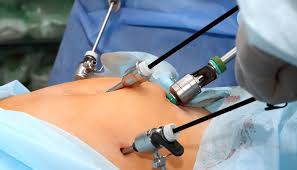
Laparoscopic Surgery, also known as Minimally Invasive or Keyhole Surgery, is a modern surgical technique that allows complex procedures to be performed through small incisions using specialized instruments and a high-definition camera (laparoscope). This approach has revolutionized the field of surgery by significantly reducing pain, recovery time, and complications compared to traditional open surgery.
Dr. Banshidhar Soni, an experienced Surgical Gastroenterologist, specializes in advanced laparoscopic procedures for a wide range of gastrointestinal conditions. With a strong focus on precision and patient safety, he ensures that patients receive the most effective treatment with minimal disruption to their daily lives.
What is Laparoscopic Surgery?
In laparoscopic surgery, small incisions (usually 5–10 mm) are made in the abdomen through which a camera and surgical instruments are inserted. The camera projects a magnified image onto a monitor, allowing the surgeon to perform the procedure with high accuracy.
This technique minimizes trauma to the body and offers a safer alternative to conventional open surgery in many cases.
Common Procedures Performed
Dr. Soni performs a variety of laparoscopic surgeries, including:
- Laparoscopic Cholecystectomy (Gallbladder Removal)
- Laparoscopic Appendectomy (Appendix Removal)
- Laparoscopic Hernia Repair
- Laparoscopic Intestinal Surgery
- Laparoscopic Colorectal Surgery
- Hiatal Hernia & Anti-Reflux Surgery
Each procedure is carefully planned based on the patient’s condition and overall health.
Conditions Treated
Laparoscopic surgery is used to treat a wide range of conditions, such as:
- Gallstones and gallbladder diseases
- Appendicitis
- Hernias (inguinal, ventral, incisional)
- Gastroesophageal reflux disease (GERD)
- Intestinal obstruction
- Colorectal disorders
- Abdominal tumors (selected cases)
Symptoms That May Require Surgery
You may need laparoscopic surgery if you experience:
- Recurrent abdominal pain
- Indigestion or bloating
- Persistent vomiting or nausea
- Swelling or lump in abdomen (hernia)
- Acid reflux or chest discomfort
- Sudden severe abdominal pain (emergency cases)
Early consultation can help in timely diagnosis and treatment.
Advantages of Laparoscopic Surgery
Laparoscopic surgery offers several benefits over traditional open surgery:
1. Minimal Pain
Smaller incisions result in significantly less postoperative pain.
2. Faster Recovery
Patients can return to normal activities much sooner compared to open surgery.
3. Shorter Hospital Stay
Most patients are discharged within 1–3 days, depending on the procedure.
4. Minimal Scarring
Small incisions lead to better cosmetic results.
5. Reduced Risk of Infection
Lower exposure reduces chances of wound infections.
6. Less Blood Loss
Precision techniques minimize intraoperative bleeding.
Diagnostic & Pre-Surgical Evaluation
Before surgery, a detailed evaluation is conducted to ensure safety and effectiveness:
- Clinical examination
- Blood investigations
- Ultrasound / CT scan
- Endoscopy (if required)
- Pre-anesthesia checkup
Patients are also given clear instructions regarding diet, medications, and preparation before surgery.
Procedure Process
The laparoscopic surgery process typically involves:
- Anesthesia – The procedure is performed under general anesthesia
- Small Incisions – Tiny cuts are made in the abdomen
- Insertion of Laparoscope – A camera provides a clear internal view
- Surgical Procedure – Specialized instruments are used to perform surgery
- Closure – Incisions are closed with minimal sutures
The entire procedure is performed with high precision and safety.
Post-Surgical Care & Recovery
Recovery after laparoscopic surgery is generally quick and smooth. Post-operative care includes:
- Pain management with minimal medication
- Early mobilization (walking within hours)
- Gradual return to normal diet
- Wound care and hygiene
- Follow-up consultations
Most patients can resume normal activities within a few days to a couple of weeks.
Who is a Suitable Candidate?
Laparoscopic surgery is suitable for most patients; however, eligibility depends on:
- Type and severity of disease
- Patient’s overall health condition
- Previous surgical history
Dr. Soni carefully evaluates each patient to determine the best surgical approach.
Why Choose Dr. Banshidhar Soni for Laparoscopic Surgery?
- Extensive experience in minimally invasive GI surgeries
- Expertise in advanced laparoscopic techniques
- Patient-centered approach with personalized care
- Use of modern equipment and technology
- Focus on safety, precision, and faster recovery
When to Consult a Specialist?
If you are experiencing persistent digestive issues, abdominal pain, or have been diagnosed with a condition requiring surgery, it is important to consult a specialist early. Timely intervention can prevent complications and improve outcomes.