Hernia Surgery
Hernia Surgery
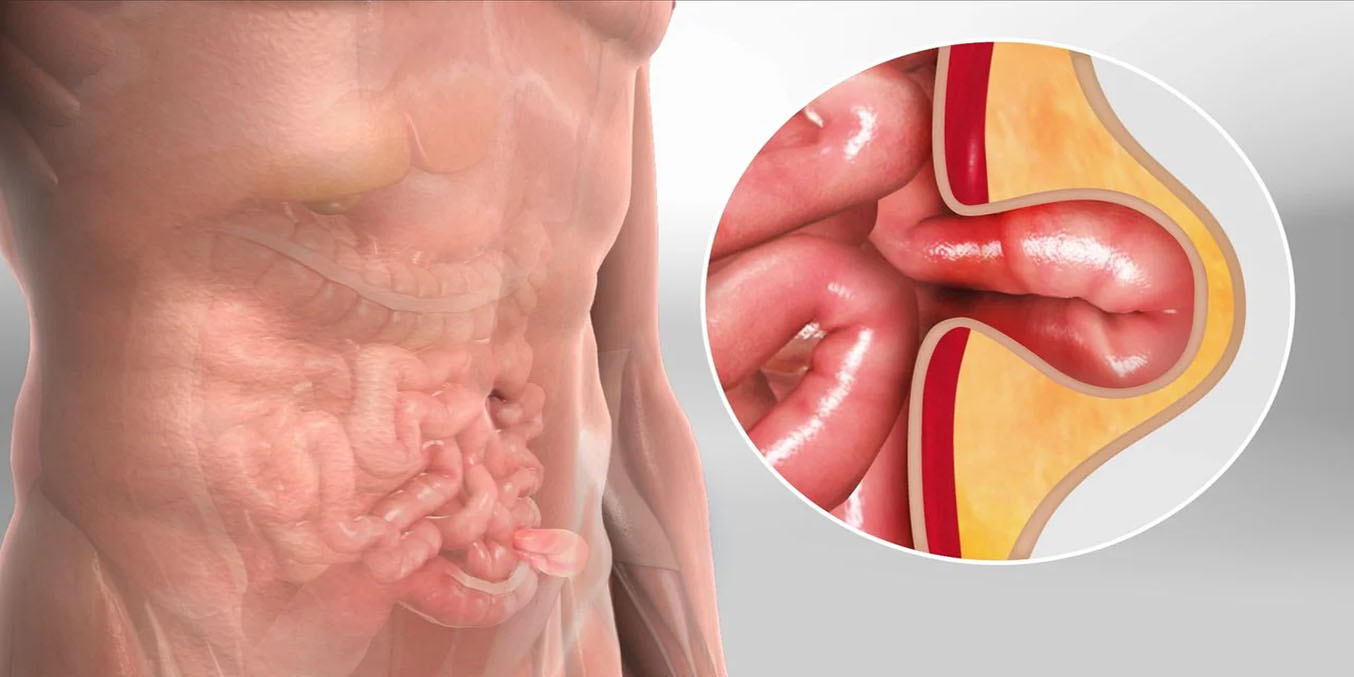
A hernia is a common medical condition that occurs when an internal organ or tissue pushes through a weak spot in the surrounding muscle or connective tissue. It often appears as a visible bulge and may cause discomfort, especially during activities like lifting, coughing, or bending.
Hernias do not heal on their own and may gradually increase in size or lead to serious complications if left untreated. Surgical repair is the most effective and permanent solution.
Dr. Banshidhar Soni, an experienced Surgical Gastroenterologist, offers advanced hernia repair using laparoscopic (minimally invasive) and open surgical techniques, ensuring strong repair, minimal pain, and faster recovery.
Types of Hernia Treated
Dr. Soni provides expert treatment for all major types of hernias, including:
1. Inguinal Hernia
Occurs in the groin region and is more common in men. It may cause pain or a noticeable bulge while standing or straining.
2. Ventral Hernia
Occurs in the abdominal wall and includes hernias that develop due to weakness in abdominal muscles.
3. Incisional Hernia
Develops at the site of a previous surgical incision due to incomplete healing of the muscle.
4. Umbilical Hernia
Occurs near the navel (belly button) and is common in both children and adults.
5. Recurrent Hernia
A hernia that reappears after previous surgical repair, requiring specialized management.
Symptoms of Hernia
Common symptoms that may indicate a hernia include:
- Visible bulge or swelling in the abdomen or groin
- Pain or discomfort, especially while lifting or coughing
- Feeling of heaviness or pressure
- Burning or aching sensation at the site
- Weakness in the abdominal area
Emergency Symptoms
Seek immediate medical attention if you experience:
- Severe pain
- Nausea or vomiting
- Redness or tenderness over the bulge
- Inability to push the hernia back inside
These may indicate a strangulated hernia, which is a medical emergency.
Causes & Risk Factors
Hernias can develop due to a combination of muscle weakness and strain. Common causes include:
- Heavy lifting
- Chronic coughing
- Obesity
- Constipation and straining
- Pregnancy
- Previous abdominal surgery
- Aging and muscle weakness
Diagnosis
Diagnosis of hernia is usually straightforward and includes:
- Physical examination
- Ultrasound or CT scan (if required)
- Detailed medical history
Accurate diagnosis helps determine the type and severity of the hernia.
Treatment Options
Surgery is the only definitive treatment for hernia. The goal is to push the protruding tissue back into place and strengthen the weakened area.
1. Open Hernia Repair
A traditional approach involving a single incision to repair the hernia.
2. Laparoscopic Hernia Repair
A minimally invasive technique using small incisions, a camera, and specialized instruments.
3. Mesh Repair
A surgical mesh is placed to reinforce the weakened area and reduce the risk of recurrence.
Dr. Soni selects the most suitable approach based on the patient’s condition and type of hernia.
Advantages of Laparoscopic Hernia Surgery
- Smaller incisions
- Less pain
- Faster recovery
- Minimal scarring
- Early return to normal activities
- Lower risk of recurrence (with proper technique)
Procedure Process
The hernia surgery process typically involves:
- Anesthesia – General or spinal anesthesia is given
- Surgical Repair – Hernia is pushed back into place
- Mesh Placement – Strengthening of the muscle wall
- Closure – Incisions are closed with minimal sutures
The procedure is safe and usually completed within a short duration.
Post-Surgical Care & Recovery
Recovery after hernia surgery is generally quick, especially with laparoscopic techniques.
Post-operative care includes:
- Pain management
- Wound care
- Avoiding heavy lifting for a few weeks
- Gradual return to normal diet
- Regular follow-up visits
Most patients can resume daily activities within a few days to weeks.
Complications if Untreated
Ignoring a hernia can lead to serious complications such as:
- Increase in size of hernia
- Severe pain and discomfort
- Intestinal obstruction
- Strangulation (loss of blood supply)
Timely surgery prevents these risks.
Who is a Suitable Candidate for Surgery?
Surgery is recommended for:
- Symptomatic hernias (pain or discomfort)
- Increasing size of hernia
- Recurrent hernias
- Complicated or emergency cases
Why Choose Dr. Banshidhar Soni for Hernia Surgery?
- Expertise in all types of hernia repair
- Advanced laparoscopic techniques
- Use of high-quality mesh for durability
- Patient-focused care and safety
- Faster recovery and excellent outcomes