Esophageal & Thoracoscopic Surgery
Esophageal & Thoracoscopic Surgery
Esophageal & Thoracoscopic Surgery is a specialized field focused on the diagnosis and treatment of diseases affecting the esophagus (food pipe) and structures within the chest (thoracic cavity). These conditions can significantly impact swallowing, digestion, and overall quality of life if left untreated.
With advancements in modern surgical techniques, many of these conditions can now be treated using minimally invasive thoracoscopic surgery, which allows procedures to be performed through small incisions with the help of a camera and specialized instruments.
Dr. Banshidhar Soni, an experienced Surgical Gastroenterologist, offers advanced care for esophageal and thoracic conditions using both laparoscopic and thoracoscopic approaches, ensuring precise treatment with faster recovery and minimal discomfort.
What is Thoracoscopic Surgery?
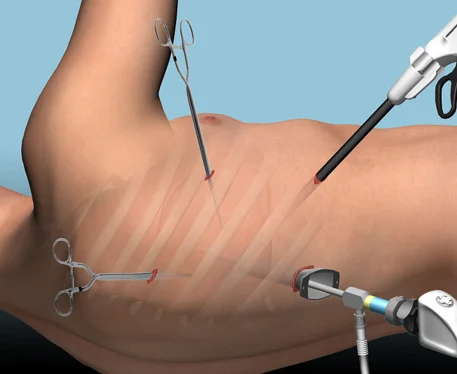
Thoracoscopic surgery, also known as Video-Assisted Thoracic Surgery (VATS), is a minimally invasive technique used to operate inside the chest without the need for large incisions.
In this procedure:
- A small camera (thoracoscope) is inserted through tiny incisions
- High-definition images are displayed on a monitor
- Specialized instruments are used to perform the surgery with precision
This technique has replaced many traditional open chest surgeries due to its safety and effectiveness.
Conditions Treated
Dr. Soni provides expert treatment for a wide range of esophageal and thoracic conditions, including:
Esophageal Conditions
- Esophageal tumors (benign and malignant)
- Esophageal strictures (narrowing of the food pipe)
- Achalasia cardia (swallowing disorder)
- Gastroesophageal Reflux Disease (GERD)
- Hiatal hernia
Thoracic Conditions
- Mediastinal masses
- Esophageal cysts
- Selected lung-related conditions (as part of GI involvement)
Symptoms That May Require Surgery
You should consult a specialist if you experience:
- Difficulty in swallowing (dysphagia)
- Pain while swallowing
- Chronic acid reflux or heartburn
- Regurgitation of food
- Unexplained weight loss
- Chest discomfort or pain
- Persistent cough or choking sensation
Early evaluation helps in accurate diagnosis and timely treatment.
Diagnostic Approach
A comprehensive diagnostic workup is essential for proper treatment planning. This may include:
- Upper GI endoscopy
- Barium swallow study
- CT scan or MRI of chest and abdomen
- Esophageal manometry (for motility disorders)
- Biopsy (if tumor is suspected)
These investigations help determine the exact cause and severity of the condition.
Treatment Options
Treatment depends on the underlying condition and its severity.
1. Medical Management
Conditions like GERD or mild inflammation may initially be managed with medications and lifestyle modifications.
2. Surgical Treatment
When surgery is required, minimally invasive techniques are preferred:
- Thoracoscopic Surgery (VATS)
- Laparoscopic Anti-Reflux Surgery
- Esophageal Tumor Resection
- Myotomy for Achalasia
- Hiatal Hernia Repair
Advantages of Thoracoscopic Surgery
Thoracoscopic surgery offers multiple benefits over traditional open surgery:
1. Smaller Incisions
Reduces trauma to the chest wall.
2. Less Pain
Minimal postoperative discomfort compared to open surgery.
3. Faster Recovery
Patients recover quickly and return to daily activities sooner.
4. Shorter Hospital Stay
Reduced hospitalization time.
5. Better Cosmetic Results
Minimal scarring due to small incisions.
6. Lower Risk of Complications
Reduced chances of infection and bleeding.
Procedure Process
The surgical process typically involves:
- General Anesthesia – Patient is completely unconscious during surgery
- Small Incisions – Tiny cuts are made in the chest or abdomen
- Insertion of Camera – Provides a clear view of internal structures
- Surgical Intervention – Condition is treated using precise instruments
- Closure – Incisions are closed with minimal sutures
The procedure is performed with high precision and safety.
Post-Surgical Care & Recovery
Post-operative recovery is generally smooth with proper care:
- Pain management with minimal medication
- Breathing exercises and physiotherapy
- Gradual return to oral diet
- Early mobilization
- Regular follow-up visits
Most patients can resume normal activities within a few weeks.
Who is a Suitable Candidate?
Thoracoscopic surgery is suitable for patients who:
- Have esophageal disorders requiring surgery
- Are diagnosed with early-stage esophageal tumors
- Have severe GERD or hiatal hernia
- Require minimally invasive chest surgery
Final suitability depends on overall health and condition severity.
Why Choose Dr. Banshidhar Soni?
- Expertise in advanced esophageal and thoracoscopic procedures
- Skilled in minimally invasive and laparoscopic techniques
- Patient-focused and ethical approach
- Use of modern technology for precise outcomes
- Emphasis on faster recovery and long-term results